AI development company: LLM products and features that ship to real users
Tailwebs is an AI development company building products and features on large language models. We run our own AI in production, TailGPT and the Kaipo app, and built AI for clients such as Vidhi Centre for Legal Policy and the NITI Aayog Frontier Tech Repository portal. Adding an AI feature typically costs ₹2–8 lakh, plus monthly model usage.
An app whose core is AI, like Kaipo, our own conversational AI app. It starts with your data and the method below; the full product build is MVP development.
Start with a Discovery Sprint: 2–3 weeks for ₹1.5–3 lakh, ending in a prioritised feature list, a clickable prototype and a build estimate.
Talk to us
03 AI we have shipped
AI that real people use.
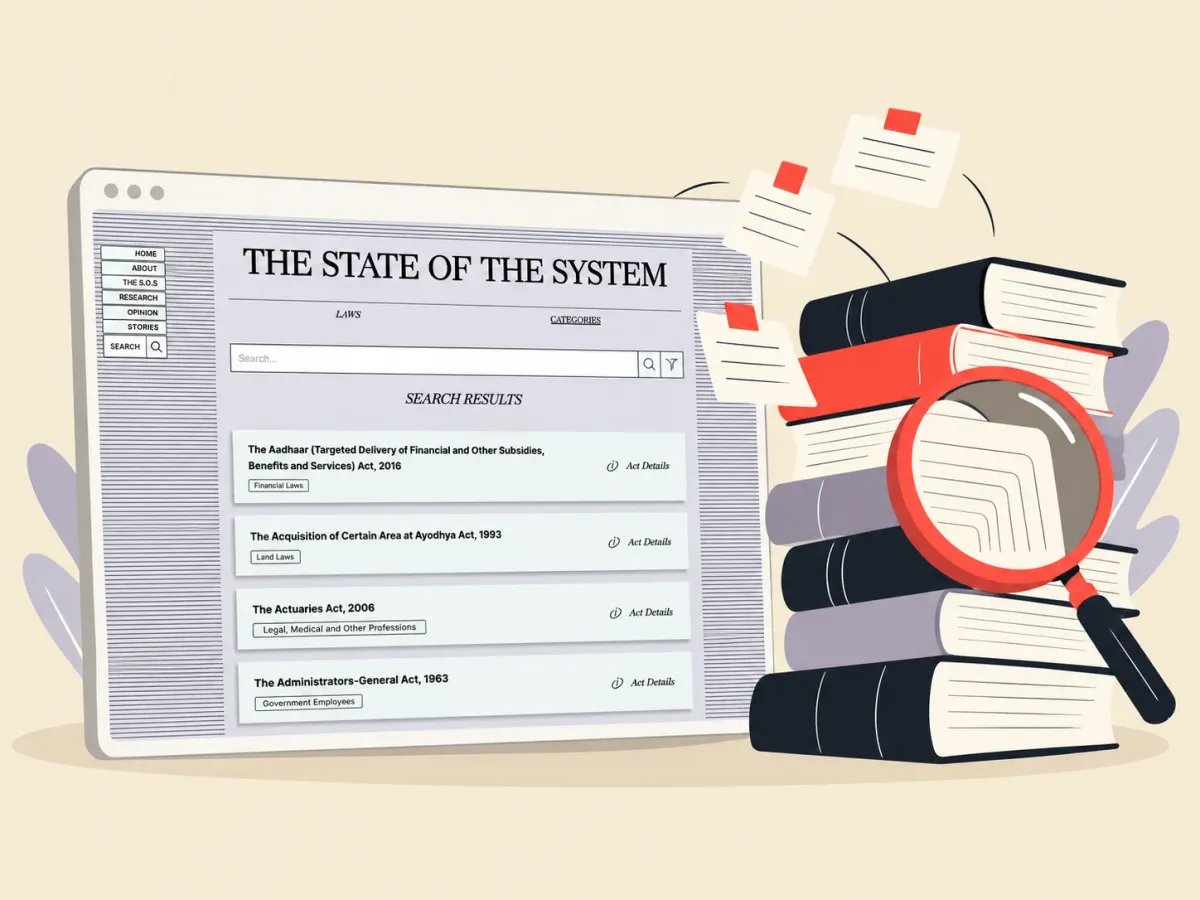
Vidhi Centre for Legal Policy
Law texts became a database of 7,305 crimes across 370 central laws.
A scraping engine collects the laws, and AI extracts the punishment data and tags each law section. Tailwebs built and maintains the database and site.
Tailwebs builds AI that works in production. We run our own AI products, so we know what it takes to keep one live.
01
Answers from your knowledge
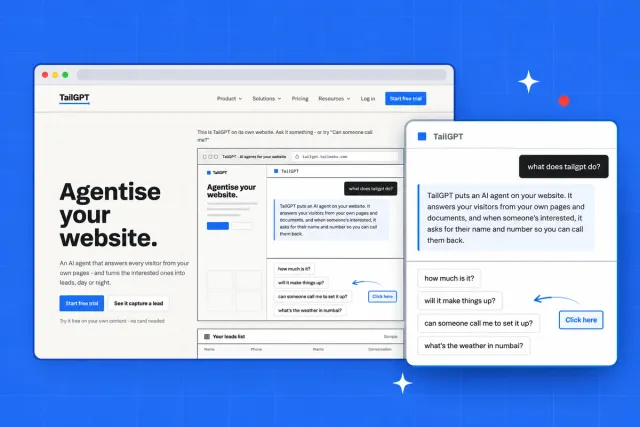
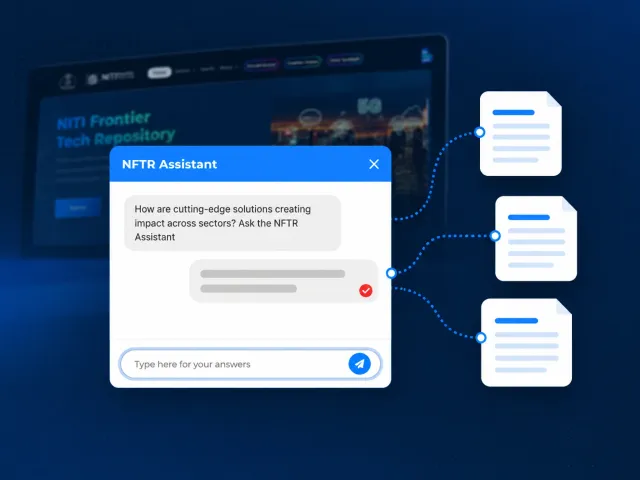
AI that answers from your own documents or website, and says so when your content does not cover the question. TailGPT: Our own product, live on tailwebs.com and thetipsytale.com. It answers only from the client's content. NFTR Assistant: In the NITI Aayog Frontier Tech Repository portal we built, it answers from the knowledge base, cites its sources and reports unanswered questions to admins.
02
Complex material made plain
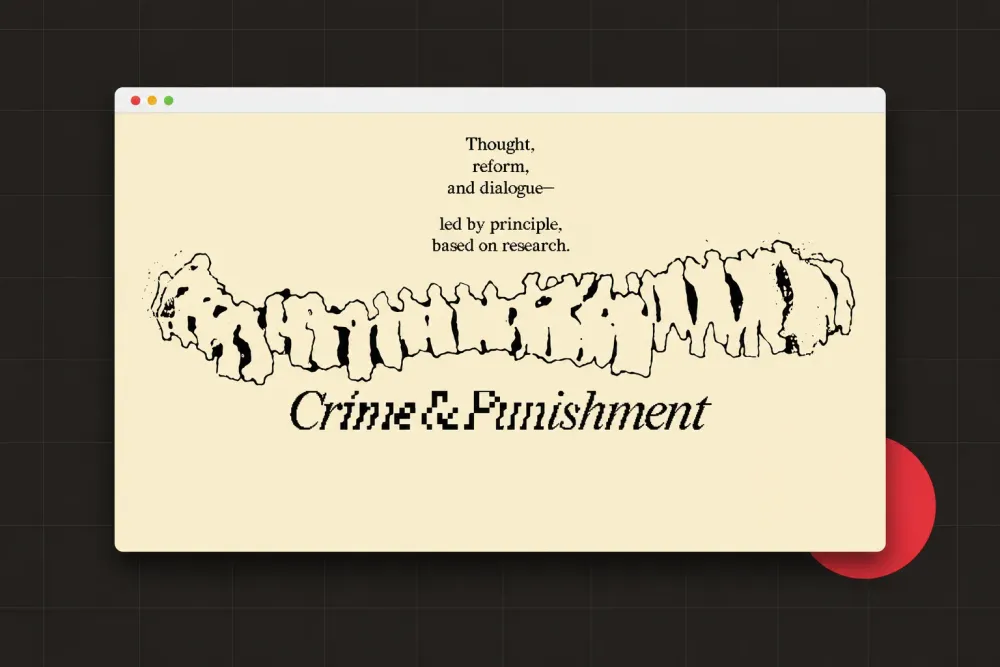
Long, dense source material turned into structured data that people can read. Vidhi, Crime and Punishment: A scraping engine plus AI extracts punishment data and tags law sections: 7,305 crimes across 370 central laws, in everyday language.
03
AI that does the work
AI that runs business processes: it does the work, drafts what needs a look, and asks when it should. Tailwebs Operator: An engine that automates your business processes through AI assistants. It interviews you, then builds assistants that do the work the way your business runs. Each action is auto, draft or ask. An export outreach engine built for a client: In build: AI research with a source for every claim, and a person approves every message before it is sent.
04
AI products at scale
A consumer AI app we build and run ourselves. Kaipo: A conversational AI app, with long-term memory, voice notes and 23 languages including Hinglish. 4.3★ from 116 ratings and 10K+ Google Play downloads. Per store listing, checked 2026-10-16.
05 How we keep AI right
AI software development: how do we keep AI right?
Answers stay inside your content, are checked against their sources and are guarded, and the models behind them are routed with fallbacks. Each habit comes from AI we run ourselves.
01
Grounding
TailGPT answers only from the client's content, and says when the site does not cover something.
02
Fact-checking
Each fact TailGPT cites is checked against the page it came from before the answer is shown.
03
Prompt-injection guards
Prompt-injection and off-topic requests are refused.
04
Model routing
On a consumer AI app we run, different models handle different jobs, with fallbacks if one fails.
Does every problem need an LLM?
No. Where rules, search, a better form or a simple workflow would do the job more cheaply and reliably, we say so and scope that instead.
Is your data ready for AI?
We check three things before we build anything.
If the data isn't ready, we fix or structure it first, scoped and priced on its own, or we recommend stopping.
Vidhi's pipeline is an example: the laws were scraped and structured first, then AI extracted the punishments.
Data check · before build
The documents or records the AI must work from.
A set of real questions or examples with correct answers, so accuracy can be measured.
Permissions and personal data in the set.
Before a build we look at what data you have, where it lives, how clean it is, who owns it and whether it may be used for this purpose.
06 How we build it
How does an AI app development company build and ship?
Three steps that are specific to AI work: scope, build and test, and ship with guardrails. The rest of how we run a project is on our process page.
01
Scope
The use case, what the AI must get right, and the test set, agreed with you.
02
Build and test
We test before release, the way we do on our own products: every assistant Tailwebs Operator builds passes red-team probes before it goes live.
03
Ship with guardrails
Human review where errors cost money or reputation. On the assistants Tailwebs Operator builds, you choose which actions run automatically.
We keep personal data out of prompts unless it is needed, limit what the assistant can see and do, and test for prompt injection before launch.
07 Model and data
Which model does an LLM development company use, and where does your data go?
The model is chosen on cost, on accuracy against your test set, and on where your data is allowed to go.
We shortlist models on cost, accuracy on your test set and where your data may go, then test them on your own questions. The choice is written down so it can be revisited.
Where it runs
In accounts you own, where possible.
08 Pricing · draft
AI development services: stages, prices and running cost
You pay once to build, in stages, and monthly for model usage, which is billed at cost.
Stage 01/03
Proof of concept
Test the idea on your own data before committing to a build.
Scoped after a Discovery Sprint
Stage 02/03
AI feature in an existing app
Search, summaries or an assistant added to your product.
₹2–8 lakh
$2,500–10,000
Scoped per feature
Stage 03/03
Production or AI-first product
A full product whose core is AI.
₹8–25 lakh
$10,000–30,000
8–14 weeks
Monthly running cost
The cost depends on the model, the context size and caching.
Adding an AI feature such as search, summaries or an assistant to an existing app typically costs ₹2–8 lakh, driven mostly by data preparation, evaluation and guardrails. See pricing.
What does an AI feature cost to run each month?
At low usage (under 5,000 conversations) model costs are typically ₹3,000–15,000 a month, rising with usage, model choice and context size.
What data do I need before building an AI feature?
You need the documents or records the AI should work from and a set of real questions or examples with correct answers, so we can measure accuracy before launch. We confirm in discovery what you have, where it is kept and who owns it, and whether it can be used for this purpose.
How do you test AI features before release?
We test each AI feature on real questions from your business and check its answers against their sources, so you know it works before your customers see it. Our own products set the standard: every assistant Tailwebs Operator builds passes red-team probes before it goes live.
How do you keep an AI feature accurate and safe?
Answers come only from your own content, and each cited fact is checked against the page it came from, as on TailGPT. Prompt-injection and off-topic requests are refused, and different models handle different jobs with fallbacks.
Are you an AI app development company for new apps, or do you only add AI to existing ones?
Both: we build AI-first apps from scratch, as with our own conversational AI app Kaipo (4.3★ from 116 ratings, 10K+ Play downloads, per store listing, checked 2026-10-16), and we add AI features to apps that already exist.