
For 100+ clients. Founded in Bengaluru.
01 Fintech
A fintech app development company that designs around the rules from day one
Tailwebs is a fintech app development company building apps and platforms for lending, payments, savings and payroll, for founders and established finance teams. We plan for RBI digital lending rules, KYC, payment data localisation and the DPDP Act from the first workshop, so compliance shapes the product instead of delaying launch. Complex fintech platforms typically cost ₹30–80 lakh+ *.

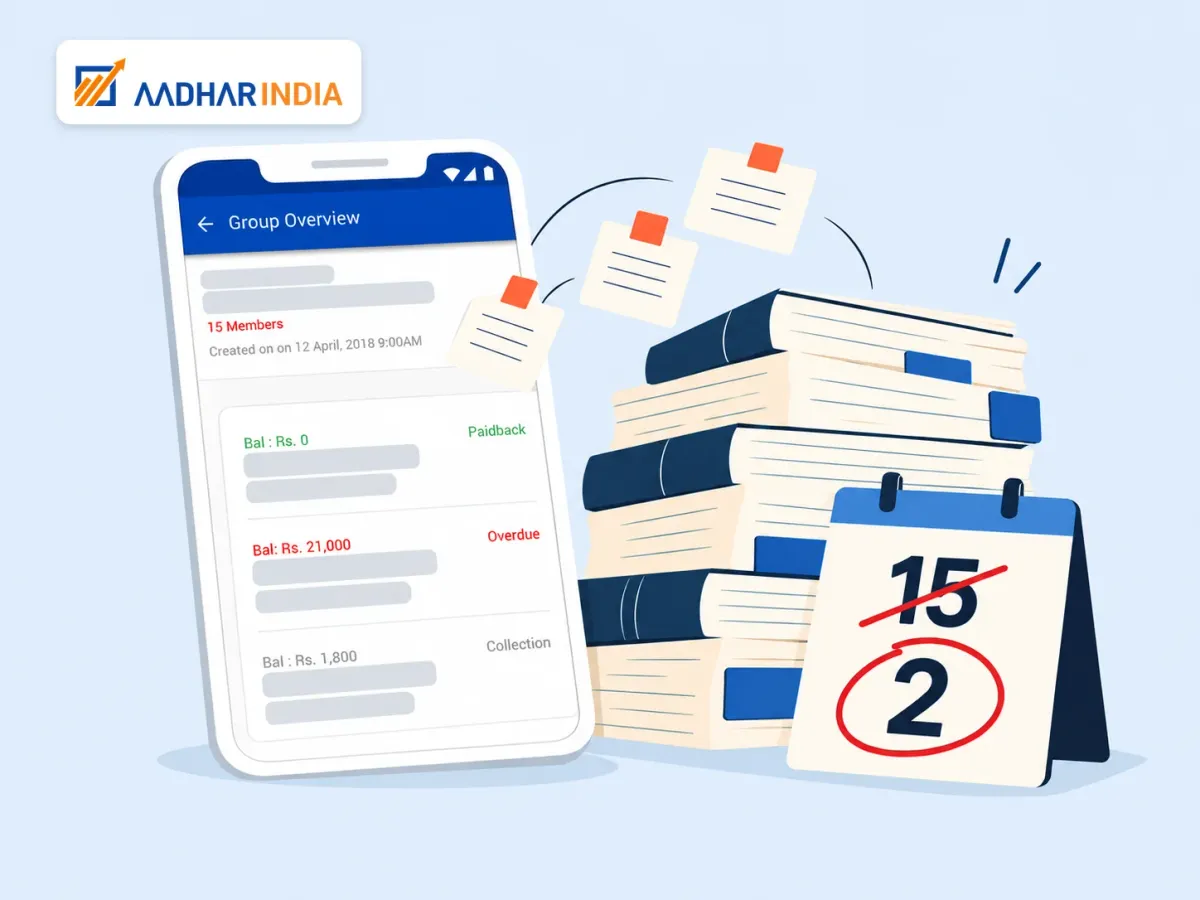
Shipped Aadhar India: a loan management tool that cut disbursement from 15 days to 2.
03 Shipped
Finance apps we have shipped
Yes. For Aadhar India we built a loan management tool that cut disbursement from 15 days to 2, and the client scaled 5x in year one. We built WAC, a UK hours-and-pay app, and we run Fincurry, our own app.
- 01/03
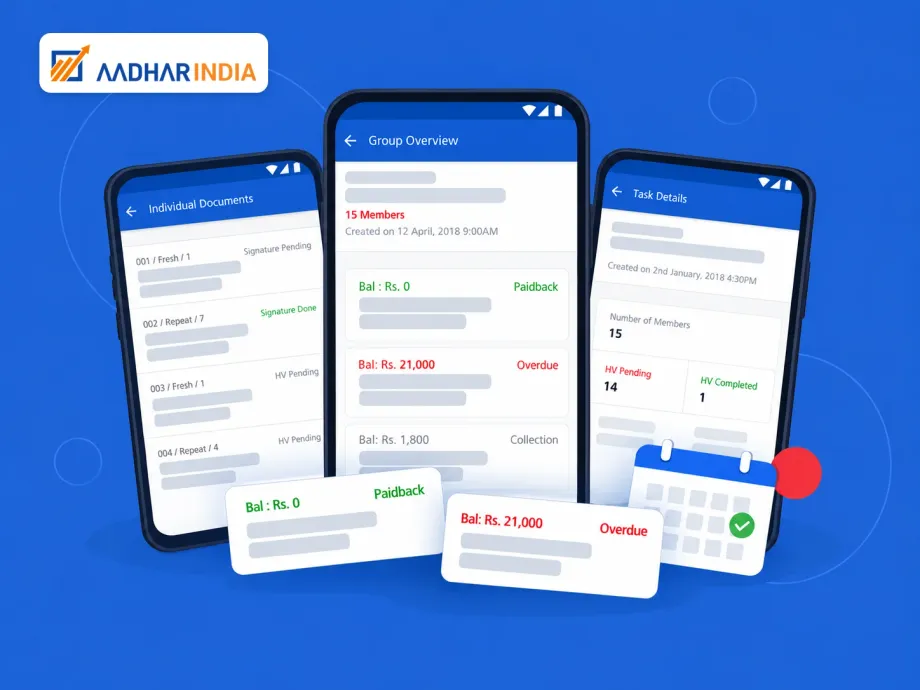
Aadhar India
An end-to-end loan management tool for a microfinance lender, built by a full team from idea to scale. Disbursement went from 15 days to 2, and the client scaled 5x in year one
- 02/03

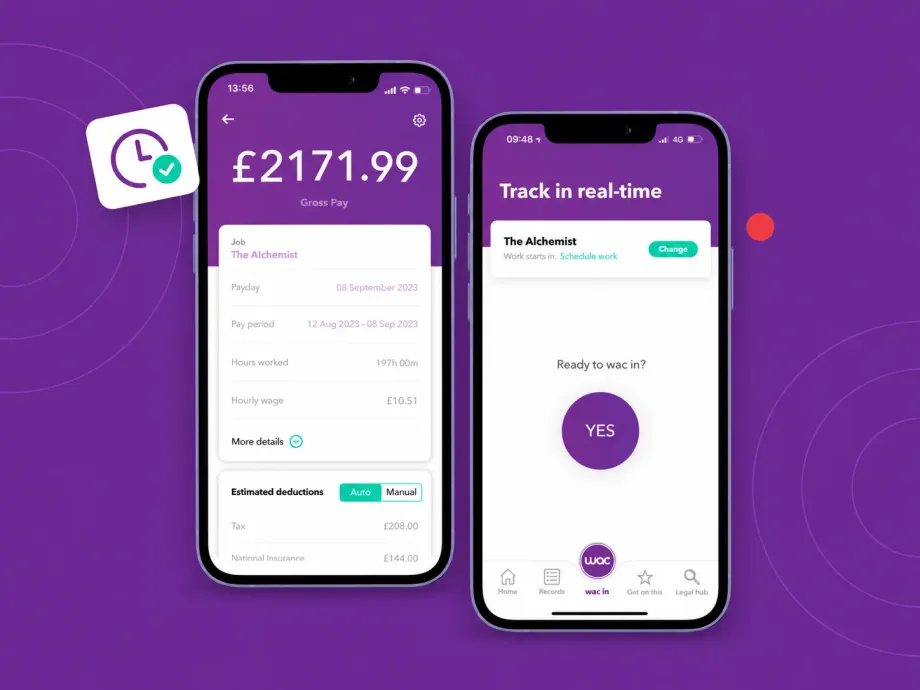
WAC
A UK hours-and-pay app, built by a full team from idea to scale. Rated 4.8★ from 5,780 UK App Store ratings; the company has raised investment
- 03/03

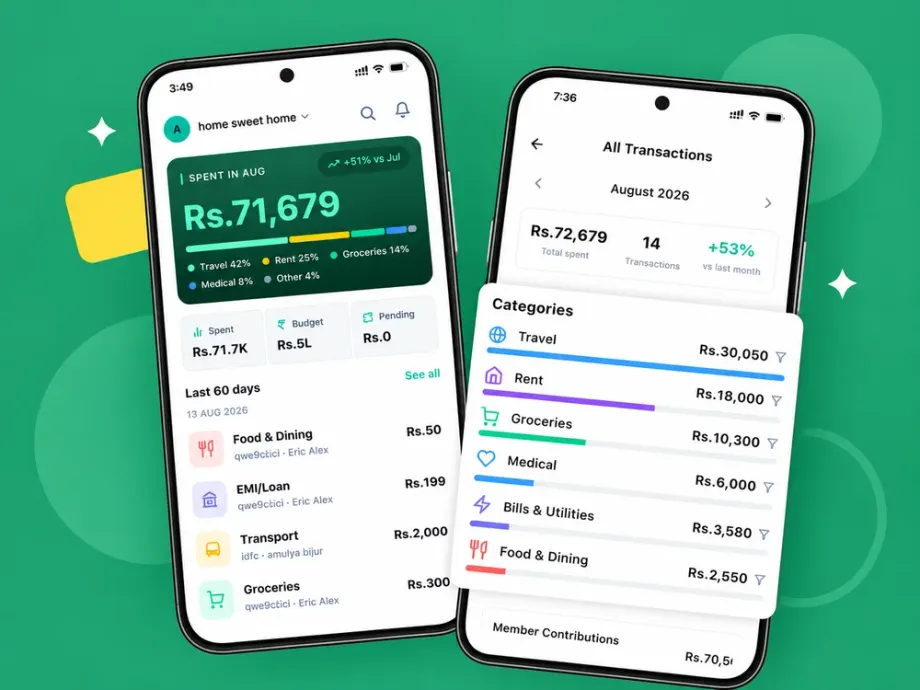
Fincurry
Our own family expense app
05 Rails and integrations
Will it connect to the rails your partner bank requires?
Yes. We integrate the providers your partners approve and test each one against their sandbox and production requirements.
We have shipped payment gateway, UPI and UPI Autopay integrations, connections to enterprise systems, and automations that move data between them. Which provider sits on each rail is usually your partner bank’s call, and we build to it.
Rails we plan for- UPI
- Payment gateways
- NACH and eNACH
- Account Aggregator
- Credit bureaus
- E-sign
- Video KYC
- Card-on-file tokenisation
Collecting property bookings and instalments? See real estate app development.
06 Rules we design for
The rules fintech software development companies must build to
A fintech product in India or the UK is shaped by rules on lending, identity, payments and personal data. We plan the product around them; your compliance and legal team decides what applies.
Knowledge, not certification · not legal advice
India
Shapes consent screens, the KYC steps, the loan terms screen, where data is stored and how incidents are reported.
- The RBI Digital Lending Directions, at rbi.org.in.
- RBI rules on storing payment system data, at rbi.org.in.
- The RBI KYC Master Direction, including video-based identification, at rbi.org.in.
- The Account Aggregator framework and card tokenisation rules, at rbi.org.in, and NPCI's UPI guidelines, at npci.org.in.
- The Digital Personal Data Protection Act and its Rules, at meity.gov.in.
- CERT-In directions on reporting cyber incidents and keeping logs, at cert-in.org.in.
Security
Shapes how card data is kept out of your systems, how secrets are stored and how the mobile app is tested before launch.
- PCI DSS, at pcisecuritystandards.org.
- OWASP MASVS, a standard for mobile app security testing, at owasp.org.
UK
Shapes how a product explains itself to customers, and how their personal data is handled.
- FCA Consumer Duty, at fca.org.uk.
- UK GDPR and the Data Protection Act 2018, with guidance at ico.org.uk.
Who signs off
Your compliance and legal team signs off; we build to their requirements and document how the product meets them.
Building for UK customers? See how we work with UK companies.
07 How it starts
How our fintech app development services start
With a Discovery Sprint that maps the rules, your partner bank’s requirements and the one core flow. Then an MVP, or a complex platform built in stages.
- Step 1
Discovery Sprint
The rules, the partner-bank requirements and the one core flow, mapped and prototyped before any build.
₹1.5–3 lakh *
$2,000–4,000 *
2–3 weeks *
- Step 2
MVP
One core flow, such as onboarding to disbursal, with an admin panel and analytics.
₹8–25 lakh *
$10,000–30,000 *
8–14 weeks *
- Or
Complex platform
Several roles, payments and compliance work, built and released in stages.
₹30–80 lakh+ *
$36,000–95,000+ *
The full process is on our process page, and every package is on pricing. What moves a budget up or down is in app development cost in India.
08 FAQ
Questions about fintech app development.
How much does fintech app development cost in India?
Our ranges: the MVP Launch package, for one core flow, is ₹8–25 lakh *, and a full platform with multiple roles, payments and compliance work costs ₹30–80 lakh or more *.
Can you build an app that follows RBI's digital lending rules?
Yes. We design each flow with your compliance team, and they sign it off before build. We plan for the current RBI Digital Lending Directions, at rbi.org.in, from the first screen.
Where is customer and payment data stored?
In the cloud region your rules require, agreed with your compliance team before anything is built. RBI rules cover where payment data is stored: see rbi.org.in. Production runs in cloud accounts you own where possible *.
Can you integrate KYC, UPI, account aggregators and credit bureaus?
Yes, we integrate the providers your partners approve and test each integration against their sandbox and production requirements.
How do you handle security?
We build to OWASP guidance for web and mobile, encrypt sensitive data, keep secrets out of the app and support your third-party security audit before launch.
Will you sign an NDA, and do we own the code?
Yes to a mutual NDA before discovery, and you own all custom code, designs and content once the project is paid in full.
How long does a fintech MVP take?
Typically 8–14 weeks * for one core flow, longer when partner bank or NBFC approvals are on the critical path.
Do you work with UK fintech companies?
Yes. We built WAC, a UK hours-and-pay app rated 4.8★ from 5,780 App Store ratings, and we plan for UK GDPR and FCA Consumer Duty from the start, alongside your compliance advisers. More on working with UK companies.