
Metropolitan Anesthesia Consultants' whole manual process for credentialing, compliance documents and timesheets, moved into one web app.
01 Tool digitalisation
Tool digitalisation: turn spreadsheets, PDFs and forms into web tools
Tool digitalisation turns work trapped in Excel models, PDF reports or paper forms into web tools that your team and your users can use. Tailwebs rebuilds the logic, structures the data and designs a clear interface. For Metropolitan Anesthesia Consultants, credentialing, document compliance and timesheets moved into one web app, with 80% less manual effort.
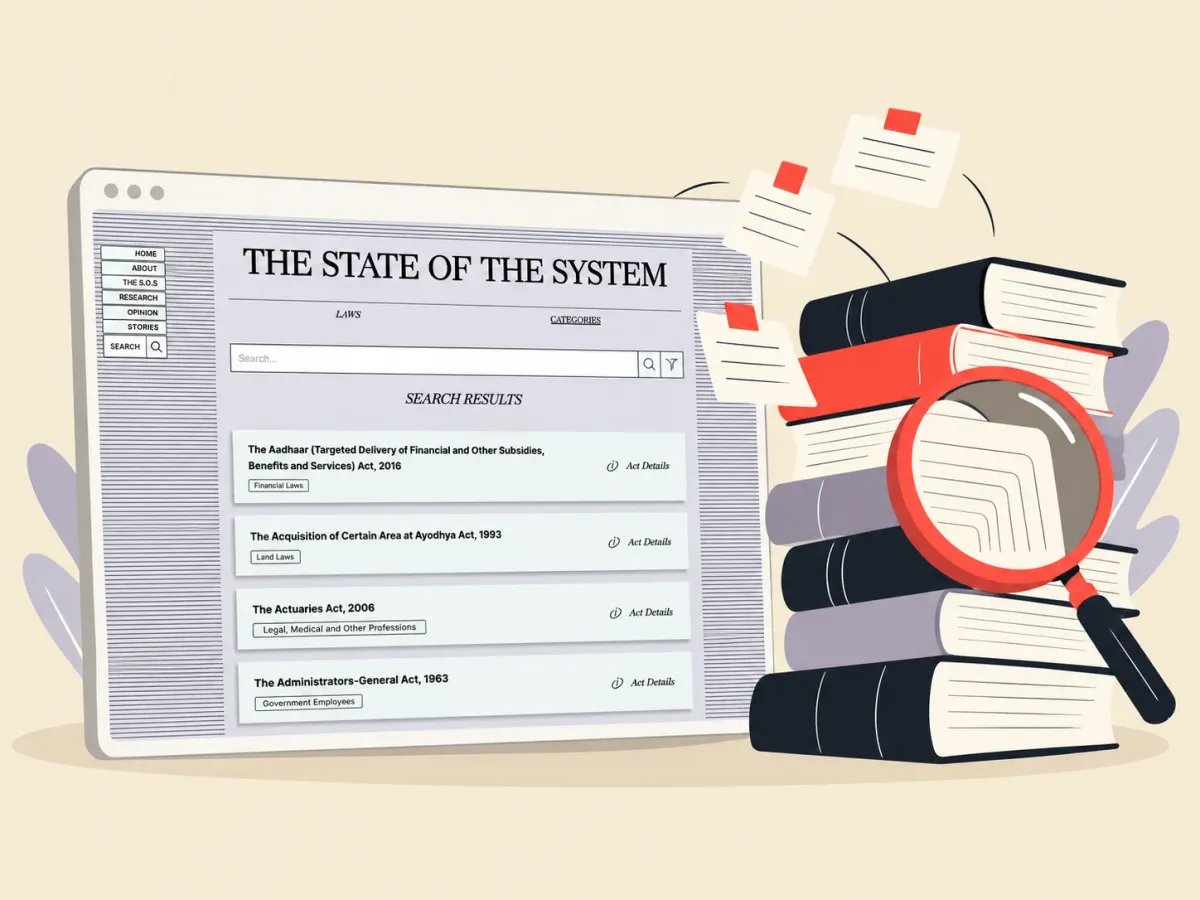
Signs it's time to turn your Excel or PDF into a web app
If two or more of these sound familiar, the file has become the bottleneck.
None of them? Keep the spreadsheet. It is doing its job.
Move your research out of Excel, and your method reaches people who would never open the file.
Signs · tick the ones that fit
- Copies go round by email as "final_v7.xlsx".
- Only one person understands the formulas.
- People outside the team need the results but can't use the file.
- Numbers are re-keyed from PDFs or paper.
- Errors are found only after decisions are made.
- A model that should be public sits on a laptop.
Illustrative
What the manual work costs you
Fill in your own numbers for a rough sum.
People × hours a week × weeks a year × cost of an hour
A year of manual work costs about
02 Before and after
What does "after" look like?
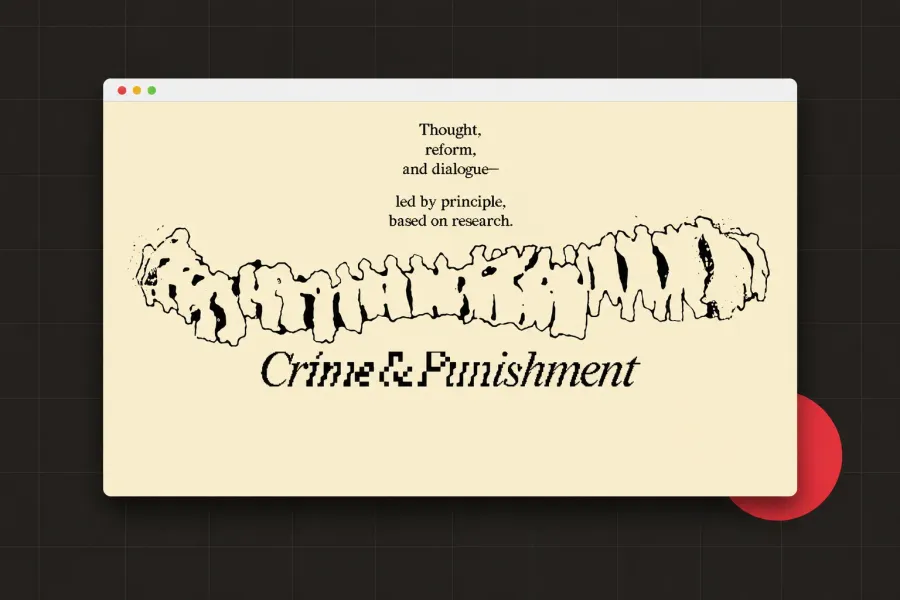
For Vidhi Centre for Legal Policy, law texts spread across 370 central laws became one database of 7,305 crimes. Manual effort fell 90%, quality went up, and states have adopted it.
Law texts across 370 central laws
The punishment for each crime sat inside the text of its law.
A database of 7,305 crimes
A scraping engine collects the laws, and AI extracts the punishment data and tags each section.
More we have built: the Metropolitan Anesthesia Consultants web app above, and for CEEW's Green Finance Centre (GFC), the Open Access tool, a calculator that is live on GFC's own site. Other tools we can turn into web tools: indicator frameworks, PDF forms, field checklists, pricing or eligibility sheets, paper PODs and e-way bill sheets (see logistics software development), and distributor order sheets and scheme claims (see D2C app development and trade tools).
How the Vidhi pipeline works: AI development. Research and policy teams: see research content systems and our policy and research work.
03 How we switch over
Map, rebuild, run side by side, then switch.
The switch-over is where work breaks, so the method is built around it. How we run a project day to day is on our process page.
Map
Who uses the tool, what data goes in, which decisions come out and where errors happen.
Rebuild
The logic and the data structure, rebuilt with your file's own cases as matched test cases.
Parallel run
The old file and the new tool side by side for one full cycle, such as a month-end or a reporting round.
We switch over only when both give the same results for the full cycle.
Cutover
Data migrated, an admin panel for your team, and the old file retired.
04 When not to build
When should you not digitalise a tool?
When the process is about to change, when only two or three people use the file, or when an off-the-shelf tool already does the job for a small monthly fee.
If the spreadsheet or an off-the-shelf tool already does the job, we'll tell you on the first call.
- The process is about to change
- Wait until it settles, or the tool gets built twice.
- Only two or three people use the file
- The spreadsheet is probably fine. Tidy it instead.
- An off-the-shelf tool already does it
- A small monthly subscription costs less than a custom build.
05 Pricing · draft
What does it cost to digitalise a tool?
It depends on four things: the size of the logic, the data volume, the number of user roles and the migration.
Package
Tool digitalisation
Your spreadsheet, PDF or form rebuilt as a web tool, checked against the original, run side by side, then switched over with an admin panel.
₹3–6 lakh
$4,000–7,500
What moves the price
- Size of the logic
- Data volume
- Number of user roles
- Migration
For a simple tool. Larger tools, with more roles and data, are quoted once the file is mapped.
Bigger builds with many roles and integrations are scoped as web app development.
06 FAQ
Questions about tool digitalisation.
What is tool digitalisation?
Tool digitalisation means rebuilding a spreadsheet model, calculator, PDF or paper form as a web tool, keeping its logic and making it usable by anyone with a browser.
Can you turn a large body of documents into a structured database?
Yes: for Vidhi's Crime and Punishment, a scraping engine and AI extraction turned the text of 370 central laws into a database of 7,305 crimes, which Tailwebs built and maintains.
How much does it cost to digitalise a tool?
A simple tool typically costs ₹3–6 lakh ($4,000–7,500). The size of the logic, the data volume and the number of user roles move the price.
Do we have to stop using the spreadsheet on day one?
No: we run the spreadsheet and the web tool side by side for one full cycle and switch over only when the results match.
Can the web tool show its results as interactive data visualisation?
Yes, where readers need to explore the results: charts and maps can sit on top of the rebuilt logic, as on the EV dashboard for CEEW's Green Finance Centre (GFC), and larger reporting needs go to our data visualisation service.