
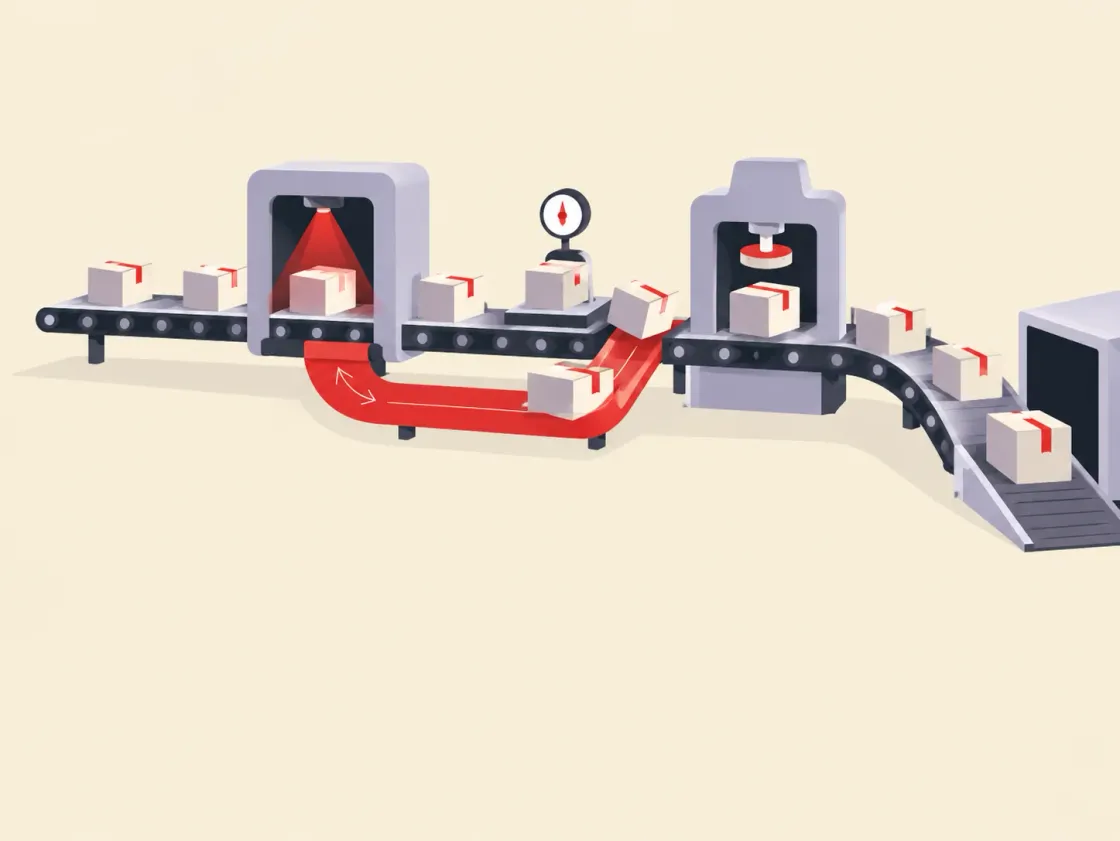
In today’s fast-paced software development landscape, agility and efficiency are paramount. Enter Continuous Integration and Continuous Delivery (CI/CD), a dynamic duo that empowers teams to deliver high-quality software, faster and more reliably. Imagine it as an orchestra, where frequent code changes flow seamlessly through automated testing, integration, and deployment stages, culminating in a harmonious symphony of continuous improvement. This comprehensive guide equips you with the knowledge and tools to compose your own CI/CD pipeline, streamlining your development process and delivering value at an accelerated pace.
Unveiling the Orchestra: Understanding the Power of CI/CD
Continuous Integration (CI)
involves merging all developers’ code changes into a central repository frequently, followed by automated testing and building. Think of it as individual musicians rehearsing their parts regularly.
Continuous Delivery (CD)
takes it a step further by automating the release process, allowing for frequent deployments to production-like environments. This translates to the entire orchestra practicing together, ready to perform for their audience. Continuous deployment goes one step further again: every change that passes the pipeline is released to production automatically.
Essential elements and practices
Here are the key parts of a CI/CD pipeline:
1. Version Control System:
Utilize a central repository like Git to track and manage code changes effectively.
2. CI Tool:
Employ tools like GitHub Actions, GitLab CI, Jenkins or CircleCI to automate building, testing, and reporting on code changes.
3. Automated Testing:
Implement a comprehensive suite of unit, integration, and end-to-end tests to ensure code quality and stability.
4. Continuous Deployment Strategy:
Choose a deployment strategy that aligns with your needs, such as blue-green deployments or canary releases.
5. Monitoring and Feedback:
Continuously monitor performance, gather user feedback, and iterate based on insights to improve your software and process.
Recommended Tools and Resources:
- Version Control Systems: Git, Mercurial, Subversion
- CI/CD Tools: Jenkins, CircleCI, Travis CI, Azure DevOps, GitHub Actions
- Testing Frameworks: JUnit, PHPUnit, Selenium, Cypress
- Deployment Tools: Ansible, Chef, Puppet, Kubernetes
- Monitoring Tools: Prometheus, Grafana, Datadog, New Relic
How to build a CI/CD pipeline for a web app
- Put the code in Git with a protected main branch, and merge changes through pull requests.
- Build and test on every push. The CI tool installs dependencies, runs linting and unit tests, and builds the app.
- Run integration and end-to-end tests against a staging build before anything reaches users.
- Build once, promote the same artefact. Package the app (a container image or a build folder) once and move that exact artefact from staging to production.
- Deploy to staging automatically, then to production on approval (continuous delivery) or automatically (continuous deployment).
- Keep secrets out of the repository. Store keys and passwords in the CI tool’s secret store.
- Monitor every release and keep a one-step rollback.
If your infrastructure is scripted, our post on Python for infrastructure automation shows how the deployment steps can be automated, and cloud-native development covers the container side. For the wider picture, see our custom web app development service and how we run projects.
Beyond the Basic Notes: Building a Symphony of Excellence
Remember, CI/CD is not a one-size-fits-all solution. Adapt the core principles and practices to your specific project needs and team culture. Consider these additional factors:
- Start small and gradually implement CI/CD practices.
- Invest in training and support for your development team.
- Prioritize automation and infrastructure as code.
- Foster a culture of collaboration and continuous improvement.
Ultimately, CI/CD empowers you to:
- Deliver high-quality software faster and more frequently.
- Reduce risks and improve software stability.
- Increase team productivity and collaboration.
- Respond quickly to changes and market demands.
By adopting this methodology and adhering to best practices, you can transform your development team from individuals playing separate notes into a skilled orchestra, composing a harmonious melody of efficient software delivery and continuous improvement.
Conclusion: Conduct Your Development Masterpiece with a Powerful CI/CD Symphony
Remember, mastering CI/CD isn’t a solo performance; it’s a collaborative masterpiece composed of technology, processes, and a culture of continuous improvement. As you conduct your development journey, consider the broader impact:
- Promote security and compliance: Integrate security testing and compliance checks into your CI/CD pipeline for secure and responsible software releases.
- Embrace open-source tools and communities: Contribute to open-source CI/CD projects and share your learnings to strengthen the developer ecosystem.
- Advocate for responsible AI and machine learning: Implement ethical considerations and bias detection into your CI/CD pipelines for responsible software development.
- Prioritize sustainability in software development: Optimize build processes, minimize resource usage, and promote eco-friendly development practices.
Ultimately, the future of software development belongs to teams that embrace collaboration, continuous learning, and responsible practices. By adopting this mindset, you can transform your team from a single orchestra section to a skilled conductor, leading a harmonious flow of innovation, efficiency, and positive impact through your CI/CD pipeline.