
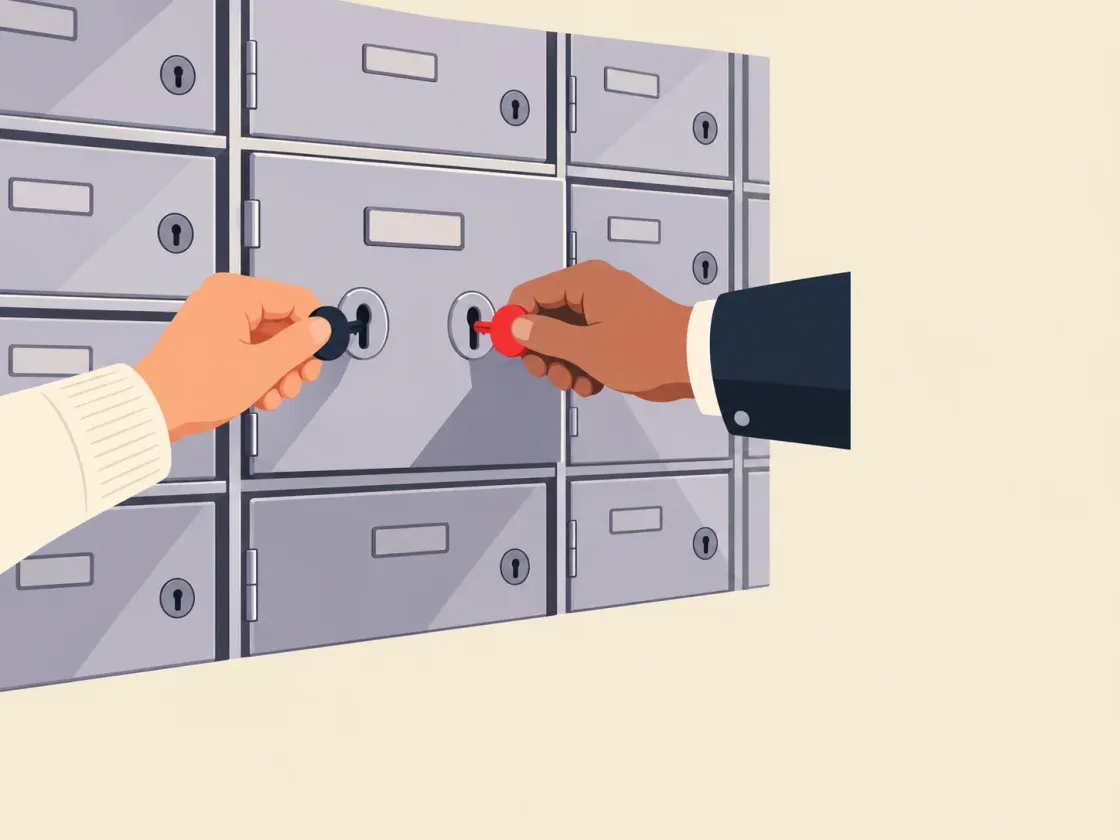
Securing Your Digital Oasis: Data Security in the Cloud Environment
The cloud gives businesses scalability, flexibility and lower running costs, and it puts real responsibility on whoever builds and runs the app. Here are the practical safeguards that keep data safe in the cloud.
Why Cloud Data Security Matters:
Data Breaches on the Rise:
As more data moves to the cloud, so do attackers. Misconfigured storage and stolen credentials are among the most common ways in.
Compliance Requirements:
GDPR and CCPA set rules for personal data, and data in the cloud is no exception; the guide to GDPR and CCPA compliance covers the rules.
Financial Repercussions:
Data breaches can result in hefty fines, reputational damage, and lost business opportunities.
Protecting Sensitive Information:
From customer records to financial data, the cloud stores an abundance of sensitive information requiring comprehensive protection. Payments and lending apps carry extra rules on where data may be stored; see fintech apps and data localisation. Patient data raises the stakes again for healthcare apps.
Maintaining Trust and Confidence:
Strong cloud data security fosters trust with customers, partners, and stakeholders.
Building Your Cloud Security Fortress: Essential Safeguards
Encryption:
Encrypt data at rest and in transit, rendering it unreadable even if intercepted by unauthorized parties. Plan this, with the rest of the list, into custom web app development rather than adding it after launch.
Access Control:
Implement granular access controls, granting access only to authorized users and devices based on the least privilege principle.
Identity and Access Management (IAM):
Utilize IAM solutions to securely manage user identities, access privileges, and authentication processes.
Data Loss Prevention (DLP):
Implement DLP solutions to prevent sensitive data from being accidentally or maliciously exfiltrated from the cloud.
Regular Backups and Disaster Recovery:
Maintain regular backups of your data and have a robust disaster recovery plan in place to ensure swift restoration in case of incidents.
Security Monitoring and Threat Detection:
Continuously monitor your cloud environment for suspicious activity and potential threats.
Recommended Tools and Technologies:
Cloud Encryption Solutions:
Each major cloud has a key management service for encryption, such as AWS Key Management Service, Azure Key Vault and Google Cloud Key Management Service.
IAM Platforms:
Solutions like Microsoft Entra ID, Okta, and Ping Identity provide identity and access management.
DLP Tools:
Services such as Microsoft Purview and Google Cloud’s Sensitive Data Protection help find sensitive data and control how it moves.
Backup and Disaster Recovery Solutions:
Veeam Cloud Connect and Druva Cloud DR offer reliable backup and disaster recovery services for cloud environments.
Security Information and Event Management (SIEM) Systems:
Tools like Splunk and Sumo Logic aggregate security data from across your cloud environment, enabling real-time threat detection and analysis.
Challenges Guarding Your Digital Oasis:
Shared Responsibility Model:
Understanding and fulfilling your shared responsibility with the cloud provider for securing your data can be complex. As a rule, the provider secures the infrastructure; you secure your configuration, your access rules and your data.
Visibility and Control Limitations:
Maintaining visibility and control over your data in a multi-cloud environment can be challenging.
Skilled Personnel Shortage:
Finding and retaining cybersecurity professionals with cloud expertise can be difficult.
Evolving Threats and Compliance Landscape:
Keeping up with ever-evolving cyber threats and changing data privacy regulations requires constant vigilance and adaptation.
User Education and Awareness:
Educating users about cloud security best practices and potential risks is crucial.
Building a Collaborative Watchtower: United Against Cloud Threats
Conquering these challenges demands a united front:
IT Security Teams:
Implement cloud security best practices, configure security settings, and monitor for suspicious activity.
Management:
Champion cloud security as a strategic priority, allocate resources for tools and personnel, and foster a culture of security awareness.
Cloud Providers:
Share responsibility for security, provide transparent security controls, and assist customers in securing their data.
Legal and Compliance Teams:
Ensure compliance with data privacy regulations and advise on contractual obligations with cloud providers.
Users:
Follow security policies, practice safe online habits, and report suspicious activity.
By working together and harnessing the power of collaboration, you can transform your cloud environment into a secure haven for your data.
Here are some additional tips to ensure your collaborative efforts reach new heights of cloud security:
Conduct Regular Security Assessments:
Regularly assess your cloud security posture through penetration testing, vulnerability scanning, and security audits.
Stay Informed:
Subscribe to cloud security resources, attend industry events, and participate in online communities to stay updated on emerging threats and best practices.
Share Knowledge and Lessons Learned:
Collaborate with other organizations and share insights to collectively enhance cloud security knowledge and resilience.
Invest in Security Awareness Training:
Educate employees on cloud security best practices, phishing scams, and the importance of responsible data handling.
Practice Continuous Improvement:
Regularly review and update your cloud security strategy, policies, and procedures to adapt to evolving threats and regulations.
Remember, cloud data security is not a one-time project; it’s an ongoing journey of vigilance, collaboration, and continuous improvement. By equipping yourself with the knowledge, tools, and collaborative spirit, you can navigate the ever-changing cloud landscape with confidence, ensuring your data remains safe and secure.